
Packaging plays a crucial role in ensuring goods reach their destination safely and without delay.
Businesses that prepare items properly before a courier collects them greatly reduce the risk of damage, additional charges, and failed deliveries. Good packaging reflects well on a company and helps maintain a smooth relationship with both clients and courier partners.
Understanding a few simple best practices can make the entire process far more efficient.
With careful preparation, durable materials, and clear labelling, businesses can give couriers the best possible chance of delivering items on time and in perfect condition.
Why Proper Packaging Matters
Couriers handle thousands of parcels every day, and each one goes through sorting systems, vehicles, and occasional manual handling. Well-packaged goods are far less likely to suffer damage during these stages, meaning fewer claims, fewer delays, and greater customer satisfaction.
Investing a little more time in packaging helps avoid the cost and frustration of returns or replacements.
Proper packaging also ensures your courier can process parcels quickly and reliably. If items are secure and clearly presented, the collection and delivery experience becomes smoother for everyone involved.
This professional approach contributes to a stronger relationship between your business and the courier service.

Choosing the Right Packaging Materials
Selecting the correct materials is the foundation of secure packaging. Sturdy cardboard boxes, padded envelopes, bubble wrap, and strong tape are the essentials most businesses rely on.
It’s always better to choose packaging that offers slightly more protection than you think you’ll need, especially for items with unusual shapes or fragile components.
Reusing old boxes can be tempting, but it can compromise the strength of your parcel.
Weak or damaged boxes are far more likely to collapse or tear during transit. Using new or high-quality materials ensures goods remain protected throughout the journey.
Preparing Items Before Packing
Before placing items in a box or envelope, it’s helpful to check them for loose parts or surfaces that may scratch or rub during transit.
Wrapping items individually can prevent internal movement and protect multiple components travelling in a single package. Businesses that take this extra step usually see a marked reduction in breakages.
Once wrapped, goods should be positioned centrally within the packaging, with padding on all sides.
Filling empty spaces with bubble wrap, packing peanuts, or crumpled paper helps stop items from shifting, which is one of the most common causes of transit damage.
Securing and Sealing the Parcel
A parcel is only as strong as its weakest point, so sealing it correctly is essential. Using high-strength packing tape along every opening ensures the box remains closed even under pressure.
Reinforcing corners and edges provides added protection during handling and stacking.
For envelopes or smaller parcels, choosing self-seal or reinforced options helps prevent accidental opening.
It’s important to avoid using string or decorative ribbon, as these can catch on sorting equipment, potentially causing delays or damage.
Clear and Accurate Labelling
Clear labelling makes life significantly easier for couriers and reduces the risk of delivery errors. Labels should be placed on the largest, flattest surface of the parcel and written or printed in a legible format.
Ensuring the full address, including postcode and any relevant reference numbers, is displayed prevents misrouting during transit.
It’s also wise to remove or cover any old labels that may still be visible on reused packaging. Conflicting information can confuse automated sorting, increasing the likelihood of delays.
A clean, single label helps the courier process your parcel without hesitation.
Special Considerations for Fragile or High-Value Items
Fragile goods need extra attention to ensure they survive the journey. Using double-walled boxes, generous padding, and clear “Fragile” indicators can greatly improve protection.
Packaging fragile items tightly but gently helps maintain stability without applying unnecessary pressure.
High-value items require both physical protection and practical precautions. Businesses may wish to photograph the goods before sealing the parcel or use tamper-evident packaging.
These simple steps help provide peace of mind and support any insurance claims should something unexpected occur.
Final Checks Before Courier Collection
A quick final inspection is always worthwhile. Ensuring the parcel is securely sealed, the label is clear, and the packaging is strong enough for its journey helps avoid last-minute issues.
It’s also sensible to check the parcel meets any size or weight guidelines set out by the courier.
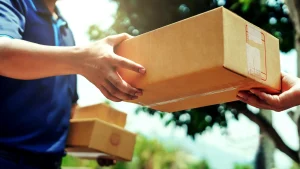
When everything is ready, place the parcel in an accessible location for collection. Couriers appreciate efficiency, and having items prepared in advance leads to a smoother handover.
This small courtesy can help reduce delays and keep your delivery schedule running smoothly.
Conclusion
Well-prepared parcels benefit everyone involved, from your business to your customers and the courier who handles them.
With strong materials, thoughtful wrapping, and proper labelling, you can significantly reduce the likelihood of damage or delay. These practices demonstrate professionalism and help maintain a positive reputation.
Taking time to package goods correctly ultimately saves money, improves customer trust, and creates a more reliable working relationship with your courier service.
By following these simple principles, businesses can ensure their items travel safely from start to finish.