
The vehicle chosen for a delivery can affect far more than how much space is available. It influences how goods are loaded, secured, separated, handled and checked throughout the journey.
For businesses sending parcels, point of sale materials or sensitive consignments, the right courier vehicle helps reduce avoidable risk. It supports smoother loading, clearer organisation and a more controlled delivery process from collection to proof of delivery.
Why vehicle choice matters before collection
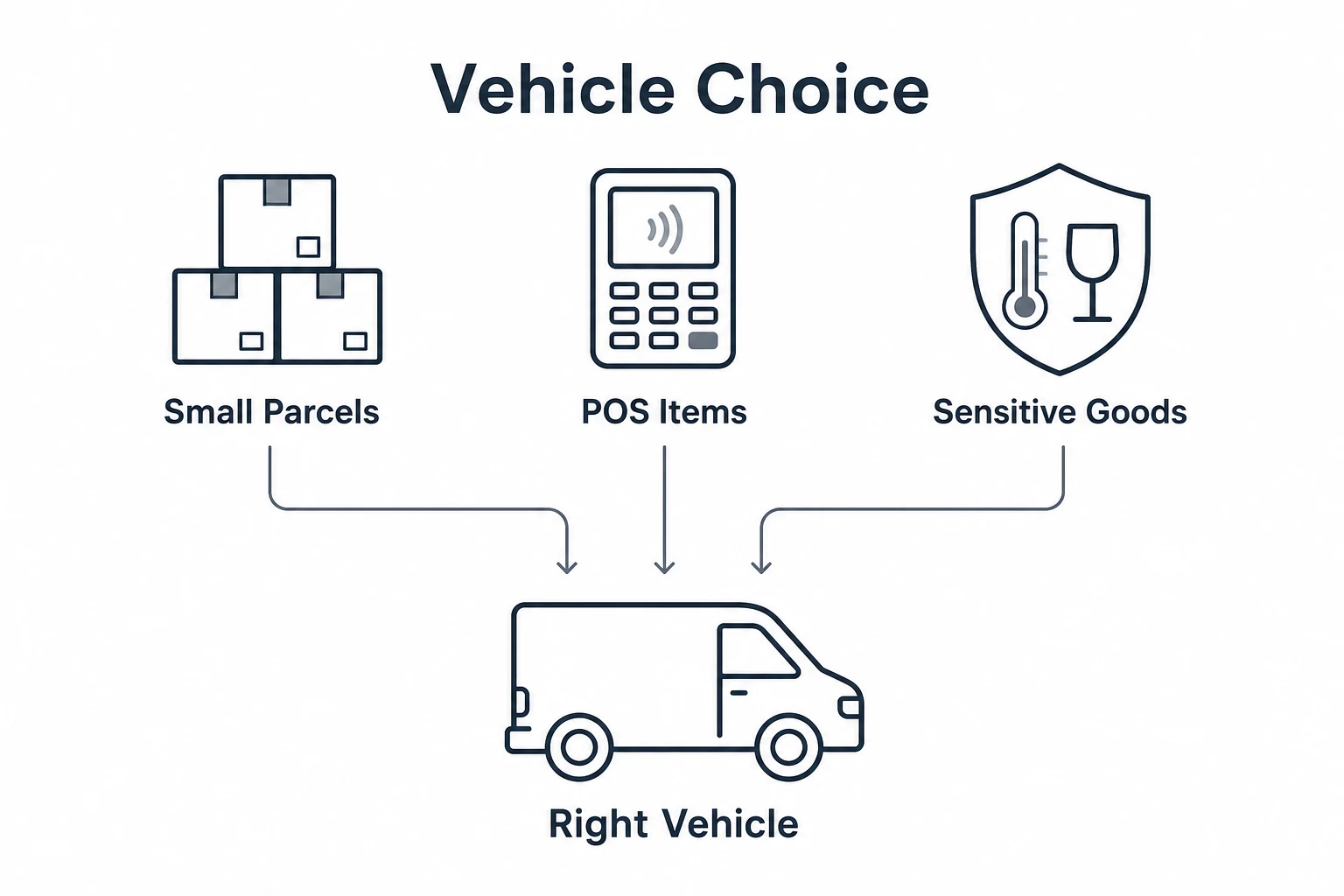
A professional courier service should consider the consignment before the vehicle arrives. Size, weight, packaging, access at collection, delivery point restrictions and handling needs all influence what vehicle is suitable.
A small parcel may travel safely in a compact vehicle if it is packaged properly and does not need specialist handling. Larger cartons, display materials, event items or multiple drop consignments may need more load space, easier access or room to keep goods separated. The aim is not simply to make everything fit. The aim is to move goods in a way that keeps them stable, traceable and practical to unload.
Vehicle choice can also help protect delivery schedules. If goods are loaded into a vehicle that suits the job, drivers can work more efficiently at each stop. That matters when deliveries involve several parcels, business premises, goods inwards areas or timed handovers.
LTS Couriers outlines the range of options on its courier vehicle fleet page, which is useful for understanding how different vehicle sizes support different business delivery needs.
Load space, separation and secure positioning
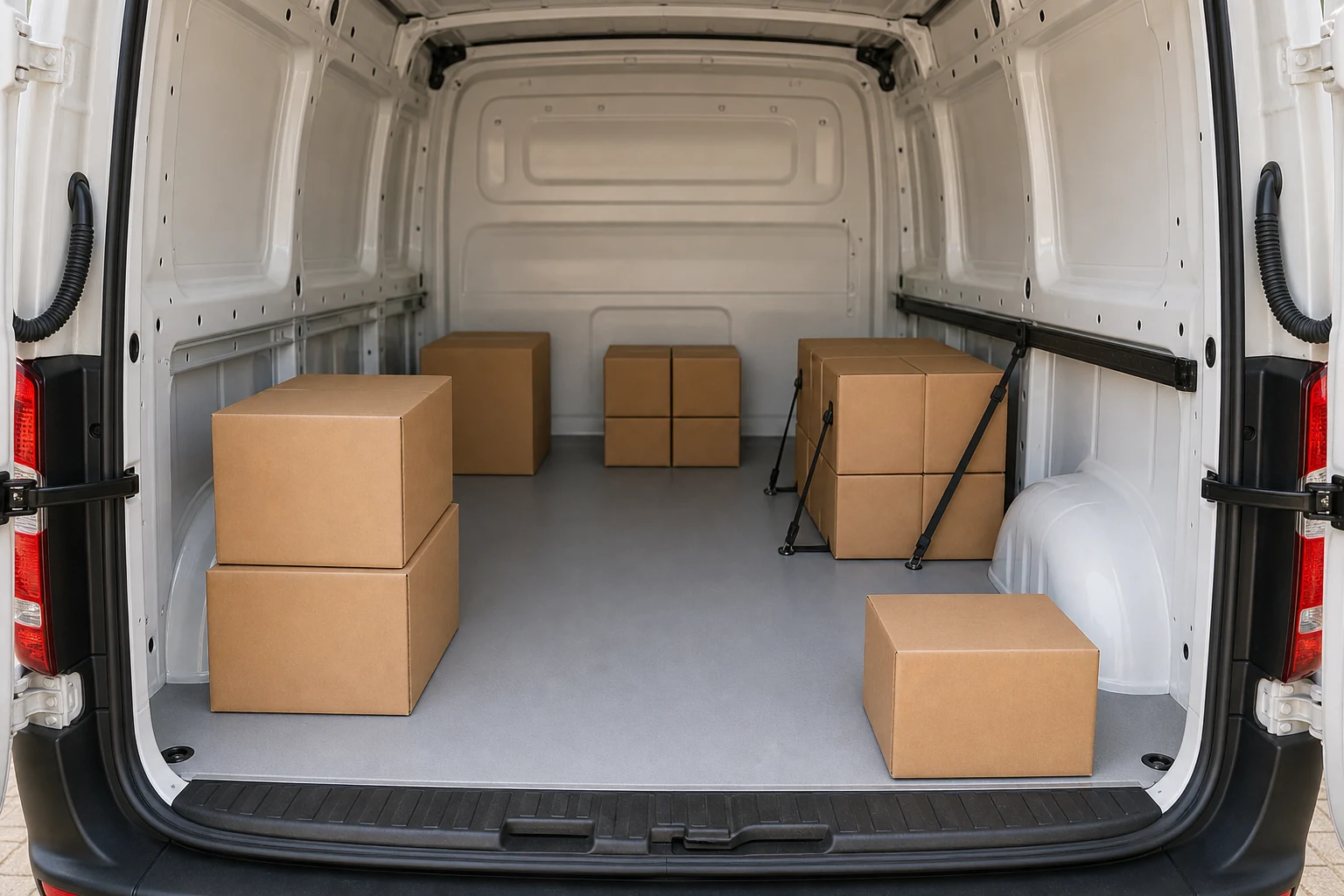
Goods are better protected when there is enough space to load them properly. Overcrowding can make parcels harder to access, increase handling time and create pressure on packaging. A vehicle with suitable load capacity allows items to be arranged sensibly, with heavier goods positioned safely and fragile or priority items kept where they can be managed carefully.
Separation is especially important for mixed consignments. A delivery run might include boxed stock, printed materials, samples, documents or display units. Keeping items organised helps reduce confusion at delivery points and supports accurate handover.
Secure positioning also matters while the vehicle is moving. Professional courier work relies on judgement, not guesswork. Drivers and operations teams need to think about whether goods could shift, whether cartons are stacked appropriately and whether the load can be accessed without disturbing everything else.
For business customers, this is one of the quiet advantages of using a dedicated courier. The delivery can be planned around the consignment, rather than forcing the consignment into a general parcel flow where it may be handled many times.
Loading method and access at each site
The way goods are loaded can be just as important as the vehicle size. A delivery that looks simple on paper can become difficult if collection or delivery access is limited, if goods are awkward to lift or if the receiving site has a specific goods inwards process.
Professional couriers consider practical questions before the job starts. Can the vehicle get close to the loading point? Are goods boxed, palletised or loose? Is more than one person needed? Are there stairs, narrow doors or time restrictions? Does the delivery need to be presented in a particular order?
Handling equipment can support safer, cleaner movement of goods when it is appropriate for the consignment. Trolleys, sack trucks and other equipment can reduce unnecessary carrying and help drivers move items from vehicle to reception, storage area or point of handover. This is particularly useful for repeat business deliveries where speed and care both matter.
Good loading also protects the receiving experience. When items are easy to identify and unload, the handover is more professional. The recipient can check what has arrived, and proof of delivery can be completed with fewer delays.
Protecting POS materials and display items
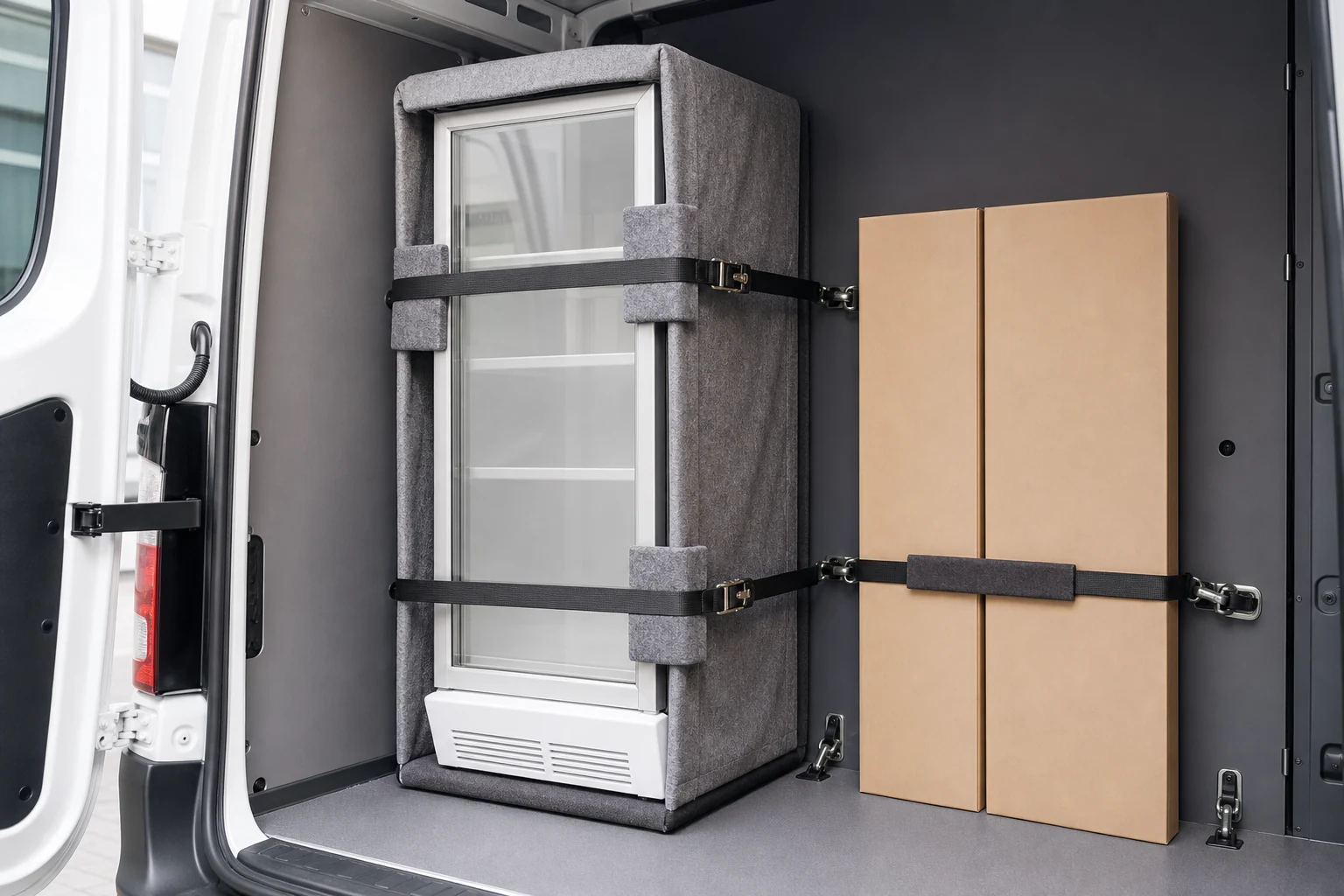
Point of sale materials often need more care than their weight suggests. Printed displays, stands, posters, promotional packs and branded materials may be light, but they can be vulnerable to bending, scuffing, crushing or being delivered in the wrong order.
The right vehicle helps by giving these items enough room and by allowing them to be loaded in a way that respects their shape and packaging. Long items, flat materials and boxed display kits may each need different positioning. A crowded load area can make these goods harder to protect, especially when several delivery points are involved.
For POS campaigns, timing and condition both matter. Materials often need to arrive ready for use, not simply arrive eventually. A courier that understands POS distribution can plan vehicle space, route structure and handling so that campaign materials reach each destination in a practical, organised way.
Clear labelling and delivery paperwork also support protection. When drivers can identify each item quickly, there is less unnecessary movement inside the vehicle and less risk of the wrong package being presented at the wrong location.
Sensitive consignments need controlled handling
Some goods require a more controlled approach because of their value, confidentiality, fragility or importance to the receiving business. Sensitive does not always mean unusual. It can include documents, equipment, samples, medical related goods, components, replacement items or anything where the sender needs extra confidence in the delivery process.
Vehicle choice supports that control. A suitable vehicle can reduce unnecessary handling, keep goods separate from unrelated freight and make the chain of custody easier to manage. The driver can understand what is being carried, where it is going and what needs to happen at handover.
For businesses, this can be more reassuring than a standard delivery model. A professional courier can plan the movement around the consignment, use appropriate proof of delivery and keep communication clear if anything changes during the journey.
Where extra care is needed, LTS Couriers provides support for sensitive consignments, helping businesses move important items with a more considered process.
Matching urgency with the right delivery setup
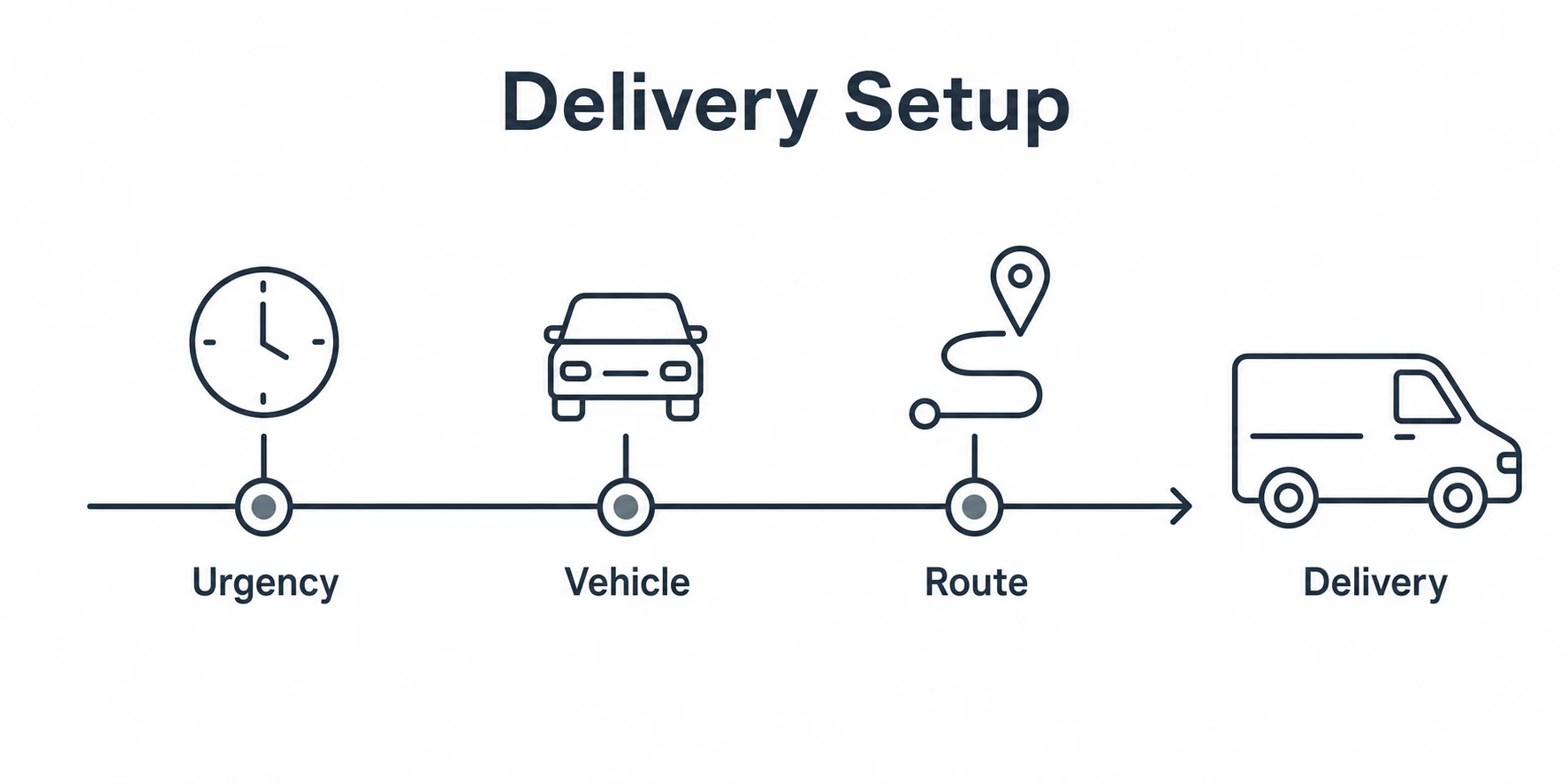
Urgent deliveries still need careful planning. Speed should not mean poor loading, rushed checks or unsuitable vehicle choice. In fact, urgent work often benefits most from getting the basics right at the start.
For time critical deliveries, the courier needs to understand what is being sent, how soon it must arrive, whether direct delivery is required and what proof the sender needs once the job is complete. Vehicle size and handling approach should support that plan.
A same day delivery may involve a single urgent item, several business parcels or materials needed for a meeting, installation or event. In each case, choosing the right vehicle helps the driver load quickly, travel efficiently and complete handover professionally. LTS Couriers offers a same day courier service for businesses that need responsive delivery without losing control over handling.
The best courier setup brings together the right vehicle, clear communication, practical handling and reliable proof of delivery. That combination protects the consignment and gives the sender a clearer picture of what is happening.
- The right vehicle helps protect goods by giving them suitable space, access and load stability.
- Loading method matters because careful positioning reduces avoidable handling and movement.
- POS materials often need organised space so they arrive clean, complete and ready to use.
- Sensitive consignments benefit from controlled handling, clear communication and reliable proof of delivery.
- Urgent courier work still depends on matching the delivery setup to the goods being carried.
Frequently asked questions
How does a courier decide which vehicle to use?
A courier will usually consider the size, weight, quantity, packaging, access requirements and urgency of the consignment. The goal is to choose a vehicle that allows goods to be loaded safely, transported securely and delivered efficiently.
Why does vehicle size matter if my items are already packaged?
Packaging is important, but it does not solve every handling risk. Suitable vehicle space helps prevent overcrowding, supports better organisation and makes it easier to unload items without unnecessary movement.
Are POS materials suitable for courier delivery?
Yes, provided the delivery is planned around their size, shape, timing and handling needs. POS items often benefit from careful loading, clear labelling and an organised route, especially when several sites are involved.
What makes a consignment sensitive?
A consignment may be sensitive because it is valuable, confidential, fragile, urgent or important to business operations. In these cases, a more controlled courier process can help protect the item and provide clearer delivery confirmation.
Plan the right delivery setup
If your business needs parcels, POS materials or sensitive goods delivered with care, LTS Couriers can help match the job to the right vehicle and handling approach.