
A haulage collection runs best when everyone knows what is being collected, where it is, how it is packed and what space it needs before a vehicle arrives.
Accurate load details help the transport team plan the right vehicle, equipment, timing and instructions. They also help the sending business avoid delays at the collection point, especially when pallets, heavy freight or unusual items are involved.
Why load details matter before the vehicle is booked
When a business books haulage, the first question is not simply where the goods are going. The more useful question is what the consignment needs in order to move smoothly. A single pallet, several pallets, boxed freight, machinery, display stock and bulky items can all need different planning, even if they are going to the same destination.
Clear information allows a haulage team to decide whether the job suits a van, a larger vehicle, a tail lift vehicle or another option from the available fleet. It also helps the office team plan driver time, route order and loading requirements. If a collection is entered with vague details, the risk is not that the job cannot be done. The risk is friction, because the driver may arrive without the ideal space, equipment or access information.
For businesses comparing options from a professional haulage service, accuracy at booking stage is one of the easiest ways to make the process more predictable. It gives the transport provider the context needed to plan properly, and it gives the customer more confidence that the collection has been understood.
That matters for routine freight as much as urgent work. A regular customer may know their goods well, but the transport team still needs the specific details for each collection. A familiar account does not remove the need to check quantities, dimensions, weights and access notes, because loads can change from one day to the next.
The details a haulage team needs most
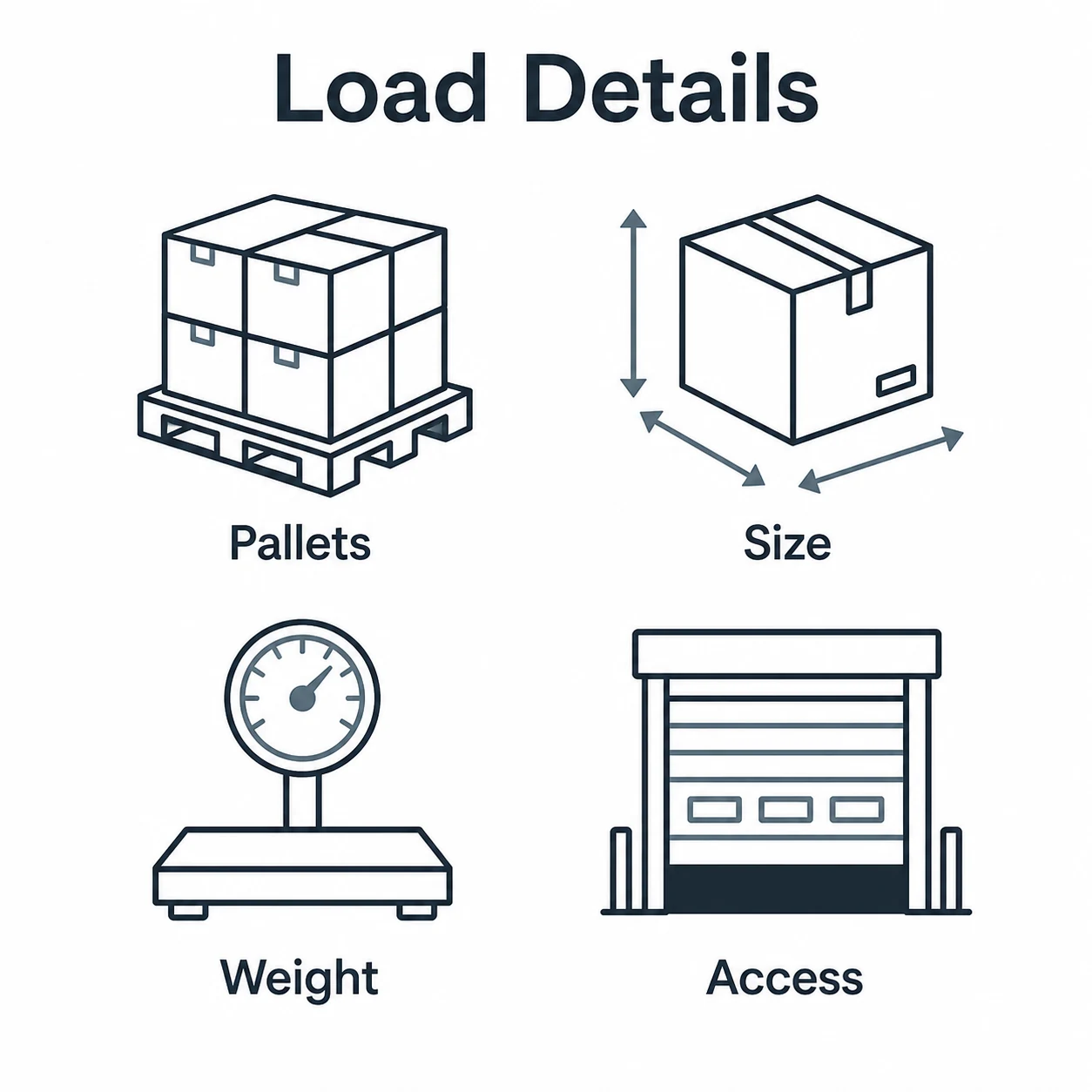
The most useful booking details are practical. They describe the load in a way that helps the transport team picture how it will sit on the vehicle and how it will be handled at collection and delivery.
- Pallet count: how many pallets need collecting, and whether they are standard pallets, oversized pallets or mixed freight.
- Dimensions: length, width and height of each pallet or item, including any overhang or irregular shape.
- Weight: the total weight and, where useful, the weight of individual pallets or heavier items.
- Packaging: whether goods are wrapped, strapped, boxed, crated or loose.
- Handling needs: whether a forklift is available, whether a tail lift is required or whether manual handling is unsuitable.
- Access notes: loading bay details, yard restrictions, booking in procedures, opening hours and any contact requirements.
These details do not need to be complicated. A short, accurate description is often enough. For example, saying that there are four wrapped pallets at a stated height and weight is far more useful than saying there are a few pallets ready for collection.
Dimensions are especially important because space planning is not only about weight. A light but bulky load can take more vehicle space than a compact heavy load. Equally, a tall pallet may limit stacking or affect how the load can be secured. When the office has this information in advance, it can allocate capacity more sensibly.
Weight matters for safety and suitability. Drivers and planners need to know whether the goods can be handled with the intended vehicle and equipment. Good weight information also helps avoid surprises at the collection point, where delays can build quickly if the load is different from the booking.
How accurate information helps match the right vehicle
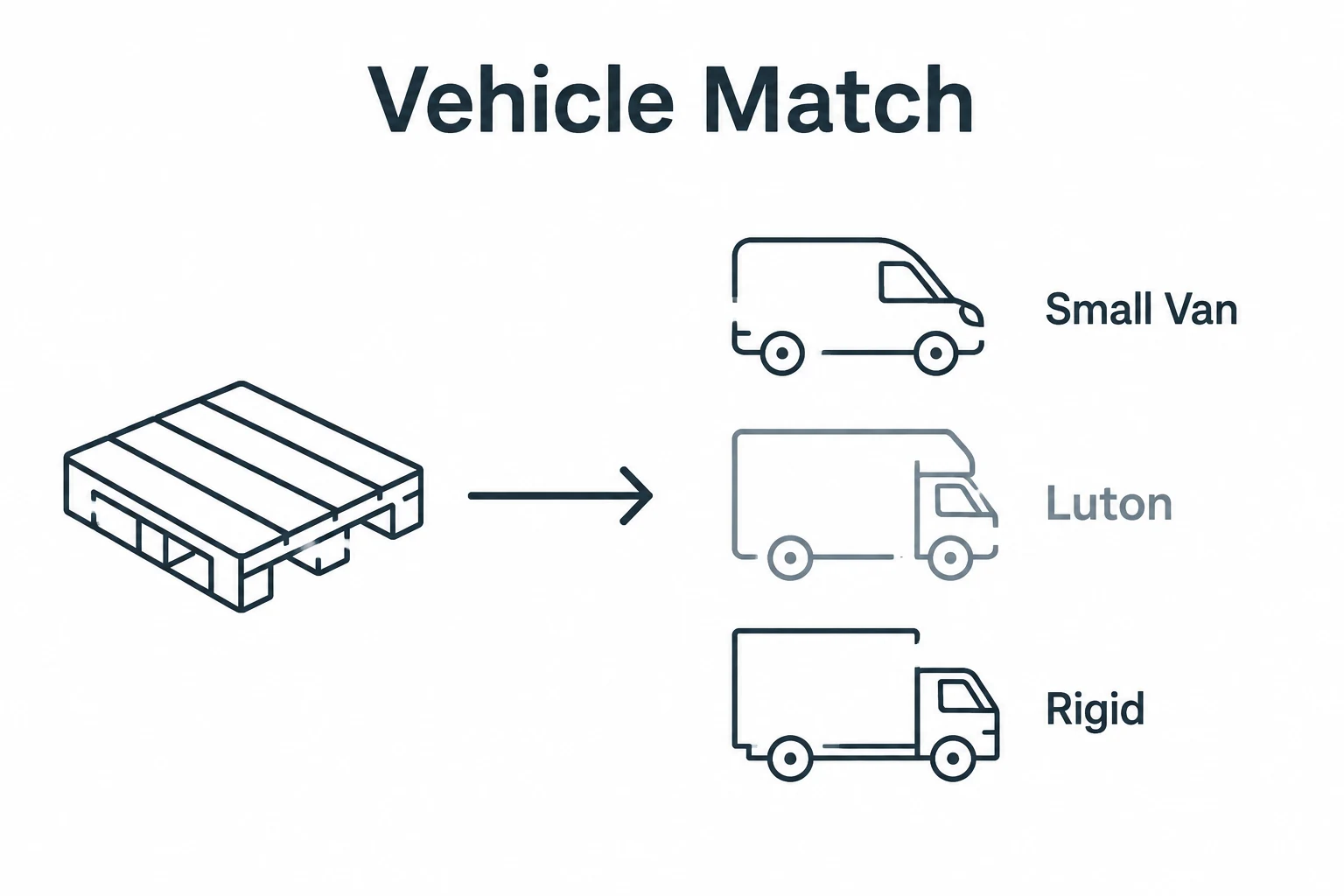
Vehicle choice has a direct effect on how smoothly a collection runs. The right vehicle gives the driver suitable space, payload capacity and loading options for the freight. The wrong vehicle may still be able to help, but it can create avoidable pauses while the team adjusts the plan.
A haulage company will look at the size, shape, weight and handling requirements of the goods before allocating a vehicle. If a load needs a tail lift, that should be known before dispatch. If the collection site has a forklift, the team can plan with that in mind. If the freight is tall, wide or awkward, the vehicle choice should reflect the space needed to load and secure it properly.
This is where a clear view of fleet capability helps customers understand what information to provide. LTS Couriers explains its transport options on the vehicles page, which is useful for businesses that want to understand how different vehicle types support different delivery needs.
It is also worth thinking beyond the collection itself. A vehicle has to work for the whole journey, including access at the delivery point. A site with limited space, timed booking slots or restricted unloading facilities can affect planning just as much as the load dimensions. If those details are shared early, the transport team can make a more informed decision.
For customers, the benefit is simple. The more accurately the load is described, the more likely it is that the right vehicle turns up first time, with the driver briefed properly and the collection moving as expected.
Access notes can prevent collection friction
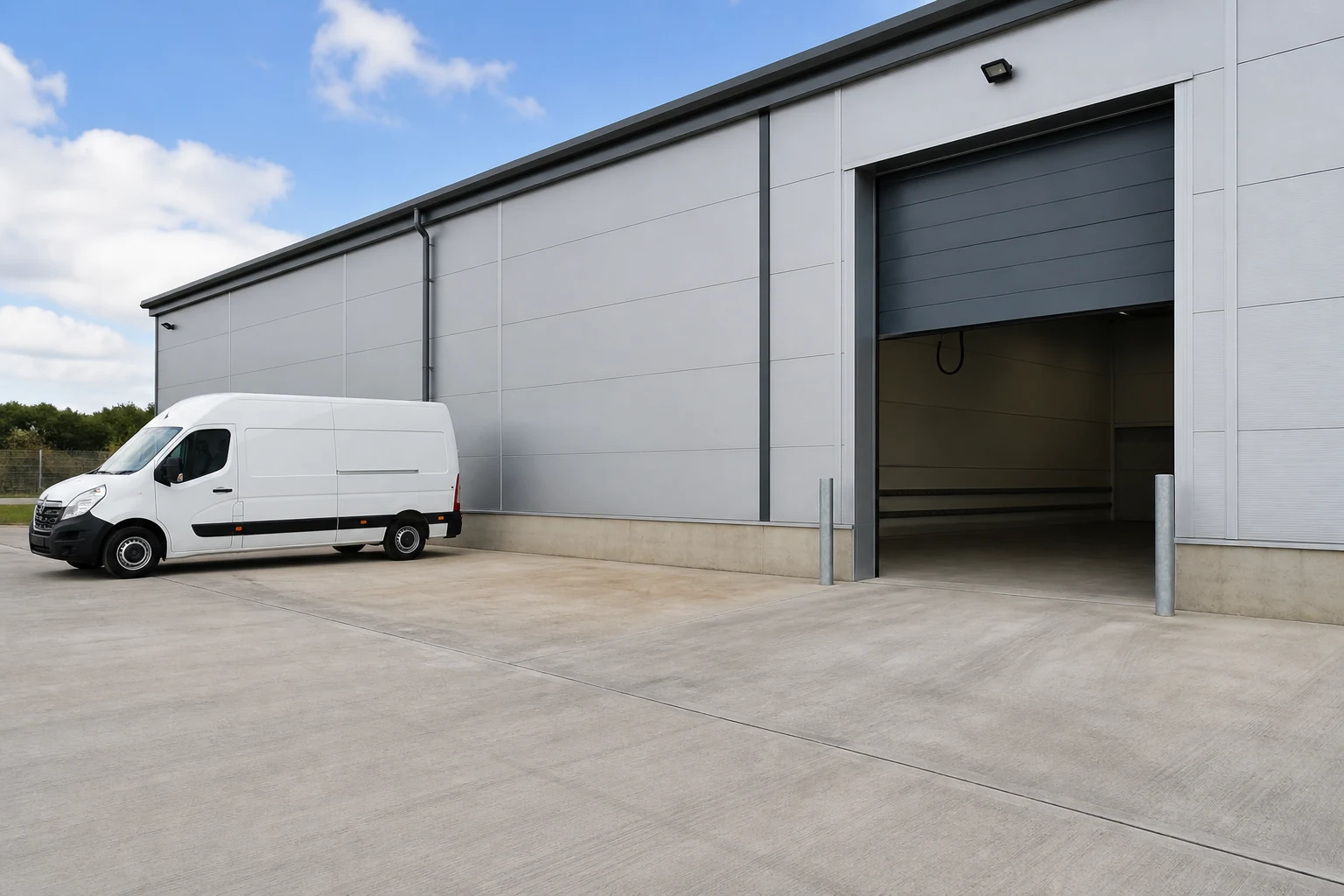
Many collection issues are not caused by the freight itself. They happen because the driver reaches the site and finds a barrier, a locked gate, a different collection entrance, a missing contact or a loading process that was not mentioned when the job was booked.
Access notes are easy to overlook because they can feel obvious to the sender. The staff on site may know where drivers report, which entrance to use and when the yard is busiest. A visiting driver does not have that local knowledge unless it is passed on.
Useful access notes can include where to report on arrival, whether there is a loading bay, whether the site requires a booking reference, whether there are height limits, whether the driver needs personal protective equipment and whether there are specific collection hours. If the freight is in a shared building, it also helps to provide the unit number, floor level and the name of the person releasing the goods.
These notes support both efficiency and professionalism. A driver who has the right instructions can arrive prepared, speak to the correct person and position the vehicle sensibly. That keeps the collection moving and reduces the chance of phone calls back and forth while the vehicle is already on site.
Access information is especially useful for businesses searching for haulage companies near me, because the phrase often reflects a need for practical, responsive support. Local familiarity can help, but clear instructions are still the strongest way to avoid wasted time at the gate, reception desk or loading area.
What happens when details change
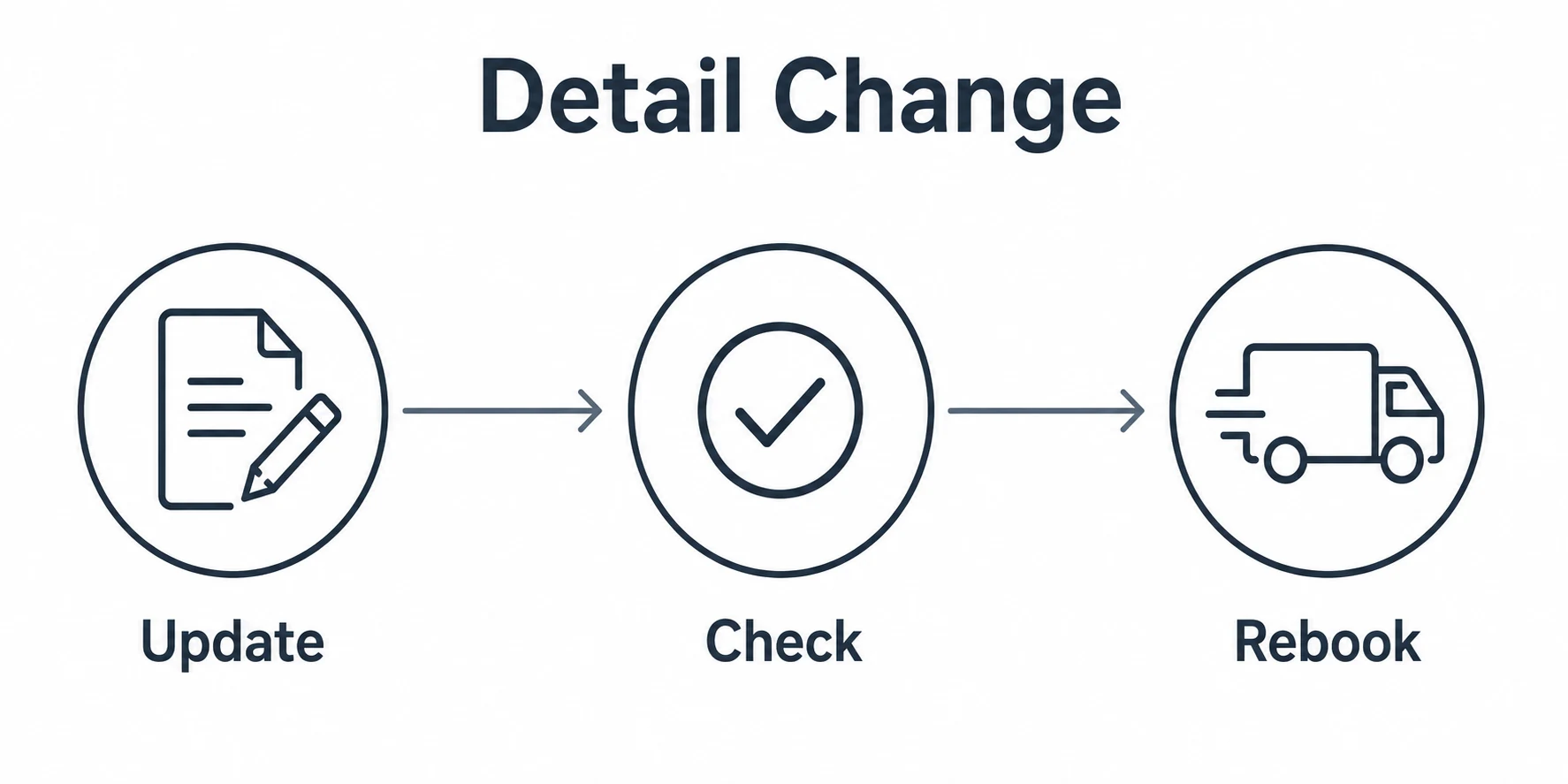
Freight details sometimes change after a booking is made. An extra pallet may be added, packaging may be altered, goods may not be ready at the original time or a delivery contact may update the unloading instructions. Changes are not a problem when they are communicated early enough for the haulage team to adjust the plan.
The important point is to share revised information as soon as it is known. If the pallet count increases, the planner may need to check vehicle space. If the weight changes, the team may need to confirm suitability. If the collection time moves, route planning may need to be updated. Early communication gives the transport provider options.
It also helps to keep one clear version of the job details. If several people in the business are involved, make sure the person booking the collection has the latest information from the warehouse, dispatch team or customer service team. Conflicting instructions can slow down the collection even when the freight itself is ready.
Where goods vary regularly, businesses can create a simple internal checklist for haulage bookings. That checklist can cover quantity, dimensions, weight, packaging, contact details and access notes. It does not have to be complex. It just needs to make sure the same important questions are answered every time.
For businesses deciding between courier and haulage options, LTS Couriers has also covered how freight type affects service choice in its guide to choosing the right haulage service for business freight.
How better booking habits support regular haulage
Accurate load details are not only useful for one collection. Over time, they help build a smoother working relationship between the customer and the haulage provider. When bookings are consistently clear, the transport team can spot patterns, understand common requirements and support repeat work with less back and forth.
That does not mean every job becomes automatic. Each collection still deserves proper attention. However, a business that provides clear details makes it easier for the haulage company to recognise what is typical, what has changed and what needs extra planning.
Good booking habits also help internal teams. Warehouse staff know what has been promised. Office staff can answer questions more confidently. Customers receive clearer updates because the transport plan is based on reliable information. The whole process feels more controlled.
For sensitive, bulky or business critical goods, that control is valuable. It helps everyone focus on the actual movement of the freight rather than solving avoidable problems at the collection point. The result is a more professional experience for the sender, the driver and the recipient.
Businesses that use both haulage and courier services can apply the same principle across different types of work. Whether arranging larger freight or a same day courier service for urgent business deliveries, clear collection information helps the team plan with fewer assumptions.
- Accurate pallet counts, dimensions and weights help haulage teams allocate suitable vehicles and equipment.
- Access notes are just as important as load details because they tell the driver how to collect without unnecessary delays.
- Changes to freight, timing or site instructions should be shared as early as possible.
- A simple internal booking checklist can make regular haulage collections more consistent.
- Clear information supports safer handling, smoother planning and a better experience for everyone involved.
Frequently asked questions
What load details should I provide for a haulage collection?
Provide the pallet or item count, dimensions, weight, packaging type, handling needs, collection address, contact details and access notes. If anything is unusual, such as overhang, limited access or a specific loading process, include that too.
Why are pallet dimensions so important?
Dimensions help the haulage team plan vehicle space and loading. Weight alone does not show how much room freight will take up, whether it can be stacked or whether it needs a particular loading approach.
What should I do if the load changes after booking?
Tell the haulage provider as soon as possible. Extra pallets, different weights, revised collection times and new access instructions can usually be planned for more easily when they are shared early.
Do access notes really make a difference?
Yes. Details such as the correct entrance, loading bay location, contact name, opening hours and site rules can prevent avoidable delays when the driver arrives to collect.
Plan your next collection with confidence
If you are arranging palletised freight, heavy items or regular business collections, LTS Couriers can help you plan the right haulage support with clear, practical guidance from the start.