
Next day delivery looks simple from the outside. A shipment is collected, moved overnight and delivered the following working day. Behind that promise, though, dependable courier operations rely on careful routing, clear scheduling and constant attention to detail.
For businesses, that planning matters. When stock, documents, parts, samples or customer orders need to arrive on time, the route is not just a line on a map. It is the structure that protects the deadline from collection through to delivery.
Why routing matters for next day delivery
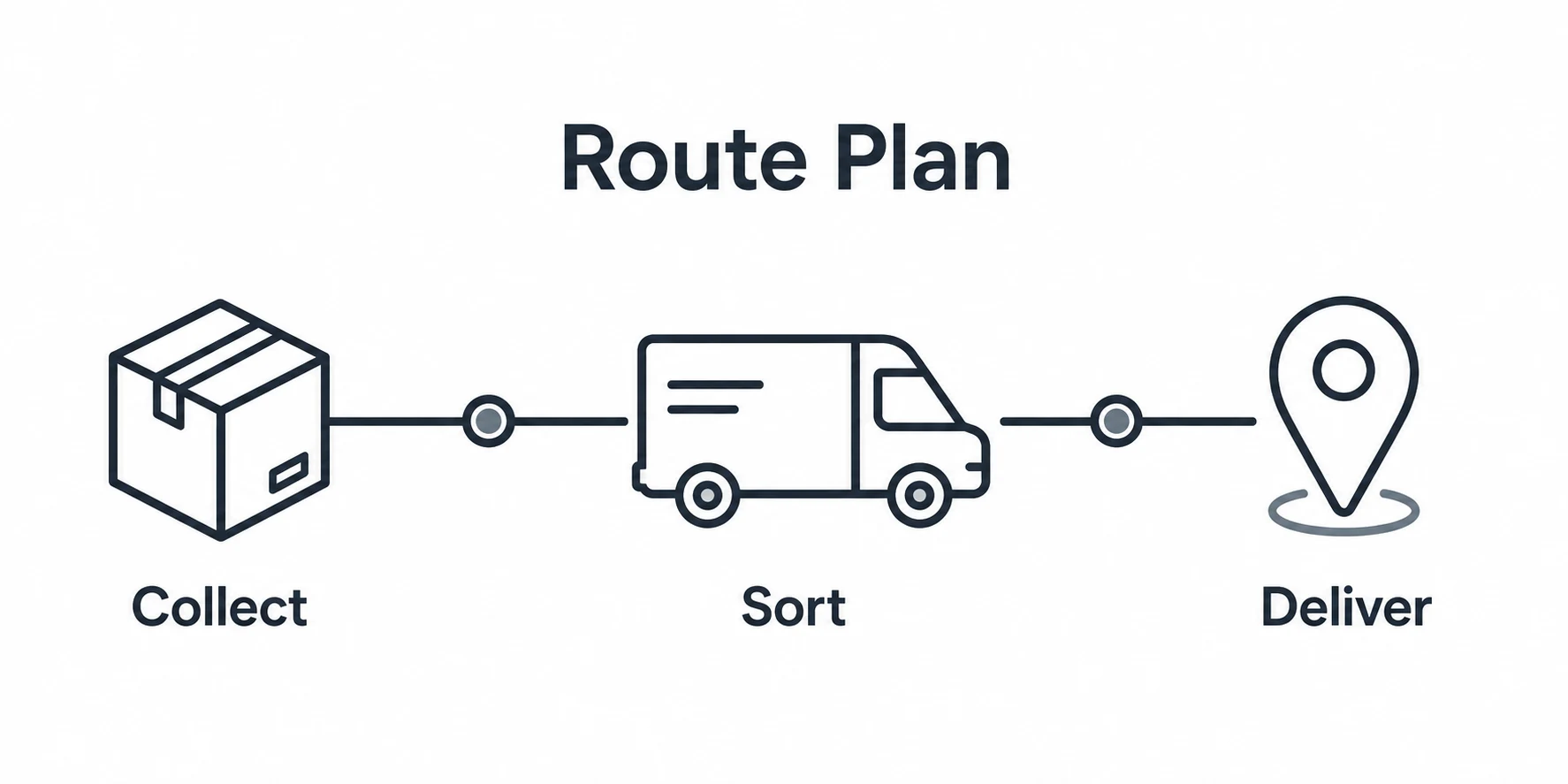
A reliable next day courier service starts before the driver arrives. The first step is understanding what has to move, where it needs to go, when it can be collected and when it must be delivered. That information shapes the route, the vehicle choice and the movement schedule.
Good routing reduces uncertainty. It helps the courier plan realistic collection windows, allow for loading time, group compatible consignments and avoid avoidable delays. It also helps office teams give clearer guidance to customers, because the delivery plan is based on practical transport considerations rather than guesswork.
For business shipments, this is especially important because the delivery often supports a wider process. A delayed component can affect production. Late printed material can affect an event. A missed customer order can affect trust. Route planning cannot remove every risk, but it can make the delivery much more controlled.
That is why a professional next day delivery courier service focuses on both the movement itself and the planning that surrounds it. The route has to support the deadline, not simply connect one address to another.
How scheduled movements create dependable delivery windows

Next day delivery depends on timing discipline. Collections need to be booked into the day in a way that leaves enough time for loading, documentation, onward movement and delivery scheduling. If a courier accepts work without checking these stages, the promise becomes fragile.
Scheduled movements give each shipment a clearer place in the operation. The courier can decide when a vehicle should collect, whether the goods need to connect with a planned trunk movement, and how the final delivery run should be arranged. This is particularly useful when several consignments need to move overnight without losing visibility or control.
For the customer, scheduled routing also makes internal planning easier. Dispatch teams can prepare goods before collection. Goods in teams can arrange receiving cover. Customer service teams can communicate with their own customers more confidently. The benefit is not only speed, but predictability.
When next day couriers plan movements properly, they also build in practical checks. They confirm access details, opening hours, contact names, loading requirements and any delivery instructions that could affect timing. Small details can make a large difference when a shipment has a fixed deadline.
The role of collection cut off points and preparation
Collection timing is one of the most important parts of next day routing. A shipment that is ready early gives the courier more options. A shipment that is incomplete, incorrectly packed or missing paperwork can put pressure on the route before it has even started.
Businesses can help protect delivery deadlines by preparing consignments before the agreed collection window. That means checking item counts, confirming weights and dimensions where needed, securing packaging, attaching clear labels and making sure the collection point is ready when the driver arrives.
The courier also has a role to play. Clear booking questions help prevent surprises. If an item is heavy, fragile, awkward, valuable or time sensitive, the routing plan may need to reflect that. A small parcel, a pallet and a delicate consignment can all be suitable for next day movement, but they may not need the same vehicle or handling process.
Choosing the right vehicle can also support the delivery plan. Space, loading method, access and consignment type all affect how smoothly a shipment moves. For more detail on this side of planning, LTS Couriers explains how the right courier vehicle protects business deliveries.
How route planning reduces avoidable delays
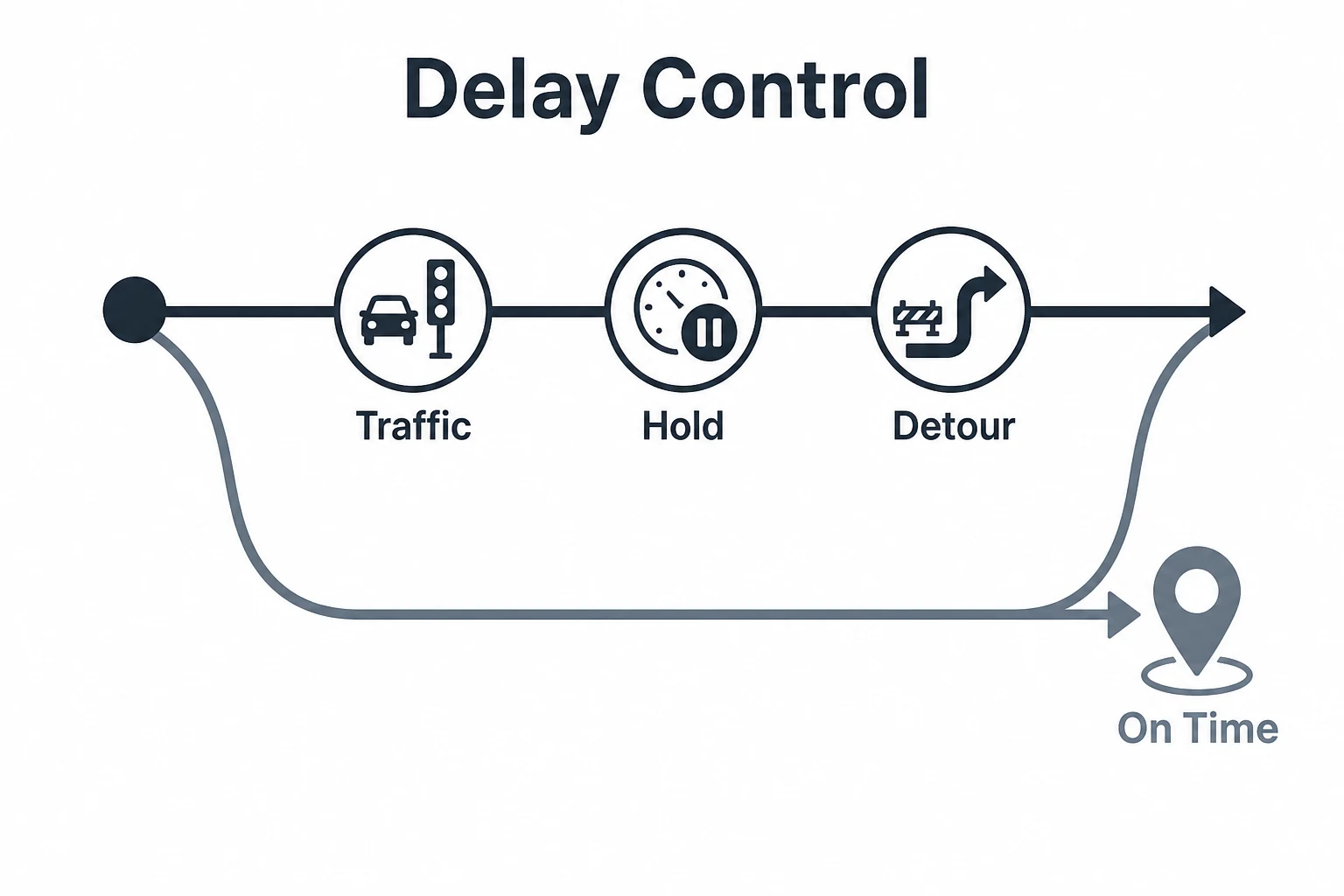
Every delivery route has variables. Traffic, site access, waiting time, weather and customer availability can all affect the day. Professional routing is about reducing the risks that can be managed and responding quickly to the ones that cannot.
Practical route planning looks at more than distance. The shortest route may not be the most reliable route if it includes known pressure points, unsuitable access or unrealistic arrival times. A well planned route considers the nature of the delivery, the receiving point, the vehicle and the time window.
Communication is part of this. If a driver or operations team can identify a possible issue early, they can update the customer and adjust the plan where appropriate. That might mean changing the order of deliveries, clarifying access instructions or checking whether a receiving team is available.
For regular business customers, routing can become even more effective over time. A courier that understands recurring collection points, receiving patterns, goods types and common constraints can plan future movements with better context. The result is a next day courier service that feels organised because it is built on operational knowledge.
Why proof of delivery completes the routing process

The route is not finished when the vehicle reaches the destination. For many businesses, confirmation matters almost as much as arrival. Proof of delivery shows that the shipment has reached the intended recipient or delivery point, giving the sender a record they can use for customer service, invoicing, stock control or internal reporting.
This final confirmation is especially useful for next day delivery because the sender often needs to close the loop quickly. If a customer asks whether an order has arrived, the business should not have to rely on assumptions. A clear delivery record makes the process more transparent.
Proof of delivery also supports accountability across the route. It confirms the result of the planned movement and gives both courier and customer a shared reference point. For business shipments, that clarity helps reduce follow up queries and gives teams more confidence in the delivery outcome.
LTS Couriers has a useful guide to why proof of delivery matters for business shipments, including how delivery confirmation supports professional logistics processes.
When next day routing is the right choice
Next day delivery is often the right option when a shipment is important, but does not need an immediate dedicated same day movement. It gives businesses a dependable way to move goods with a clear delivery aim, while allowing the courier to plan the most suitable route and schedule.
It can work well for replenishment stock, documents, samples, equipment, parts and customer orders where arrival the following day is the key requirement. The service is also useful when businesses want more structure than a standard postal option, especially where collection arrangements, consignment size, vehicle choice or delivery confirmation matter.
There are times when a more urgent service is the better fit. If a shipment must move immediately or arrive within a very narrow time window, a same day option may be more suitable. LTS Couriers explains this in its guide to urgent same day courier services.
The most reliable choice comes from matching the delivery method to the deadline, the goods and the business need. Next day routing works best when the courier has enough information to plan properly and the customer has prepared the shipment for a smooth collection.
- Next day courier routing turns a delivery promise into a planned movement with clear collection, handling and delivery stages.
- Scheduled movements help businesses protect deadlines by giving shipments a realistic place in the courier operation.
- Accurate consignment details, clear access information and prepared goods all support smoother next day delivery.
- Proof of delivery gives businesses the confirmation they need once the route is complete.
- The best courier option depends on urgency, consignment type, vehicle needs and the delivery deadline.
Frequently asked questions
What does a next day courier service involve?
A next day courier service usually involves collecting a shipment, planning its onward movement and delivering it on the following working day or within the agreed next day window. The exact process depends on the consignment, collection time and delivery requirements.
Why is route planning important for next day couriers?
Route planning helps the courier organise collections, vehicle use, delivery order and timing. It reduces avoidable delays and gives the shipment a clearer operational plan, which helps protect the delivery deadline.
What information should I provide when booking next day delivery?
Useful details include collection and delivery addresses, contact names, opening hours, weights, dimensions, item count, packaging details and any handling or access instructions. The more accurate the information, the easier it is to plan the route properly.
Is next day delivery suitable for business shipments?
Yes, next day delivery can be a strong option for business shipments that need reliable scheduled movement without the immediacy of a same day service. It is particularly useful where timing, communication and delivery confirmation are important.
Plan your next delivery with confidence
If you need a next day courier that plans the route around your deadline, speak to LTS Couriers with your collection details, delivery requirements and consignment information.